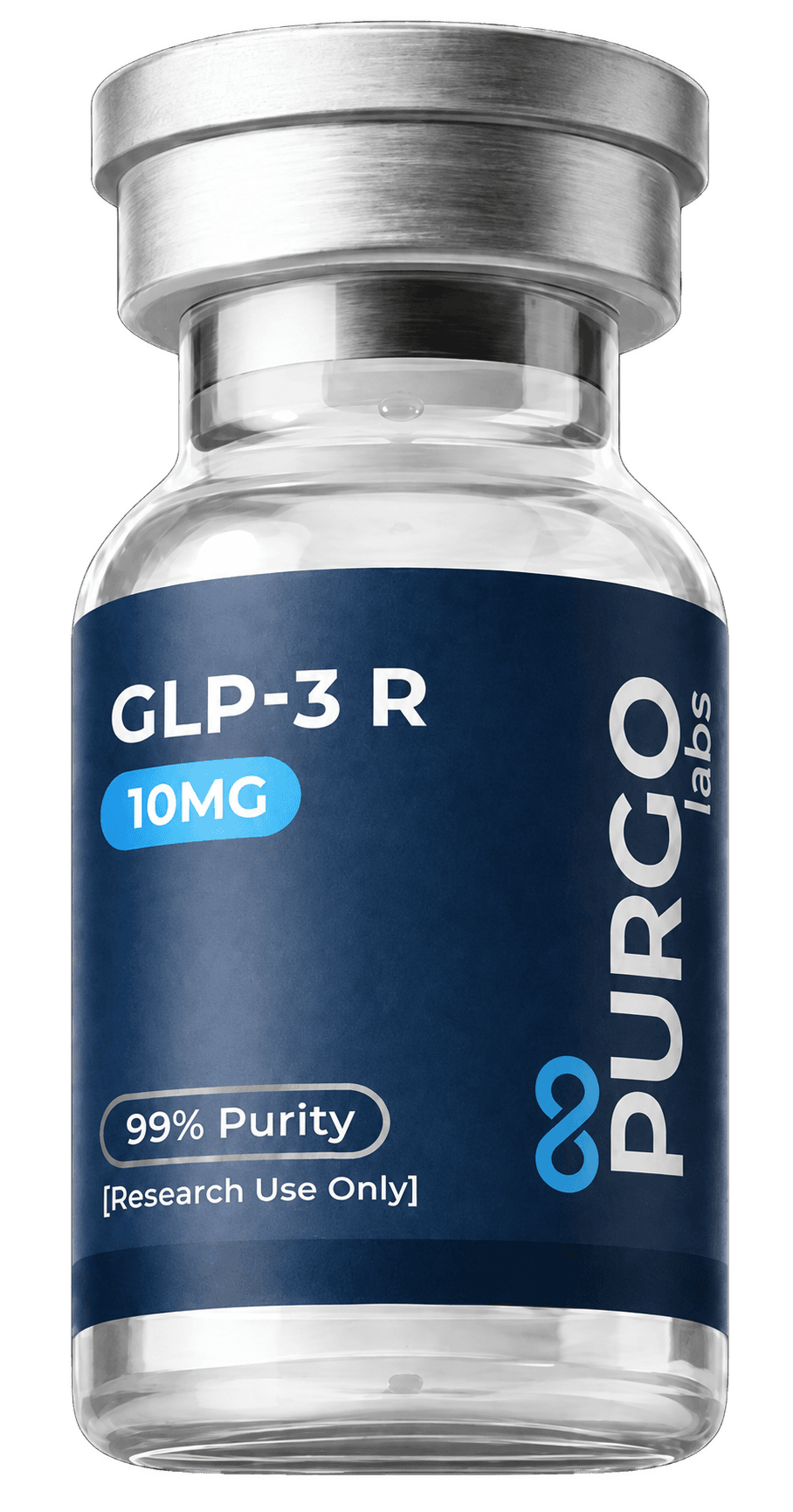
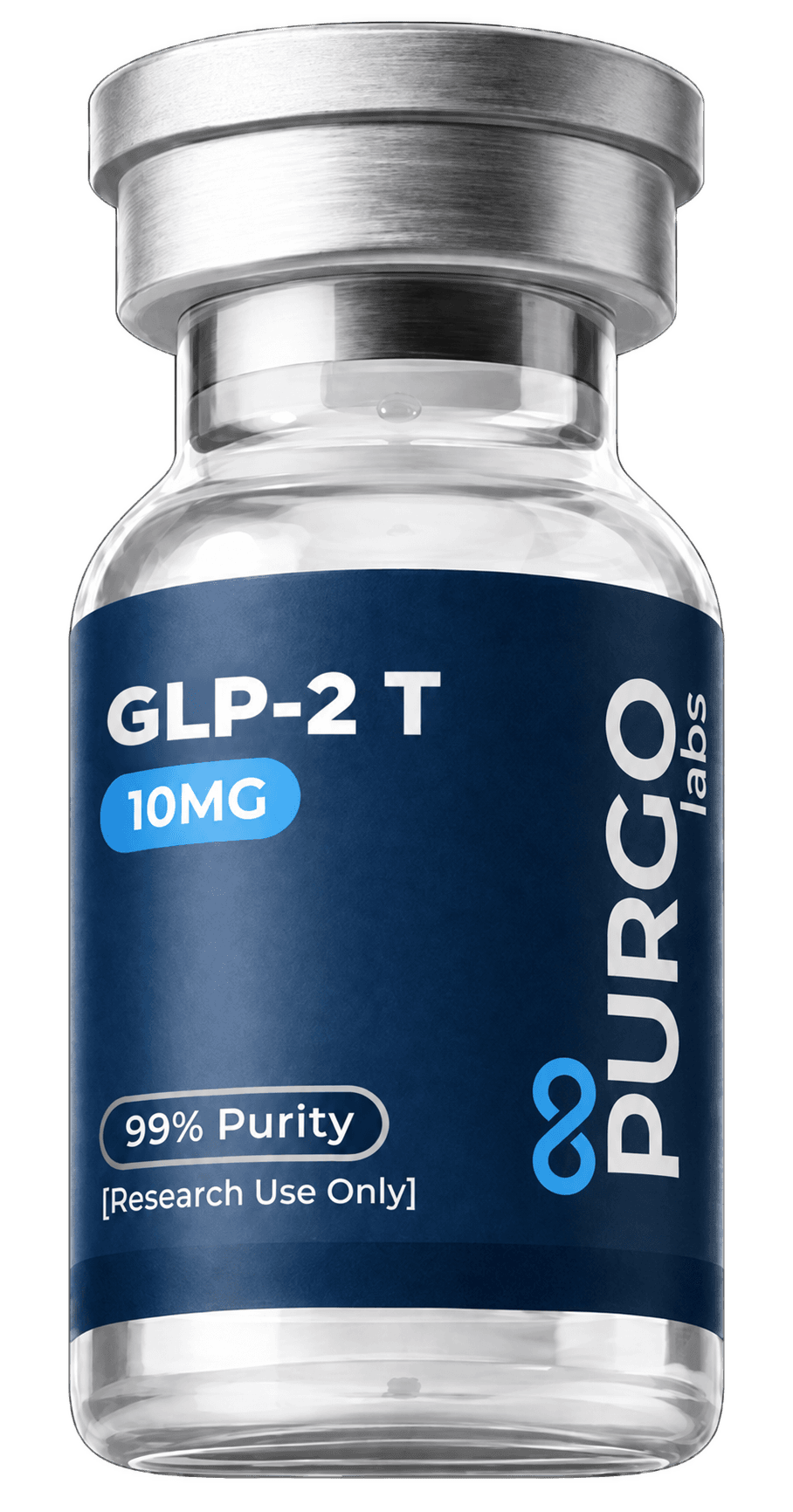
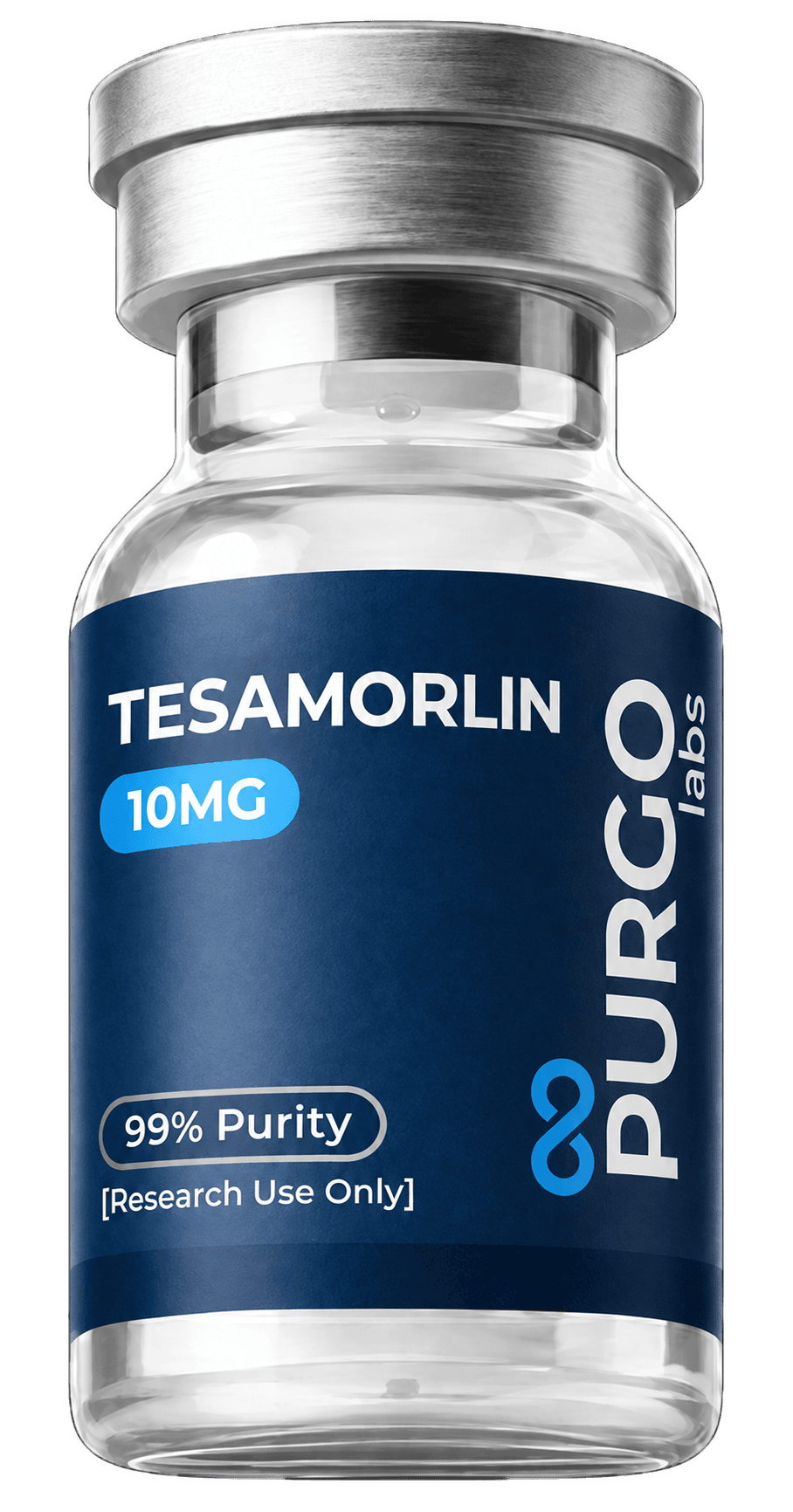
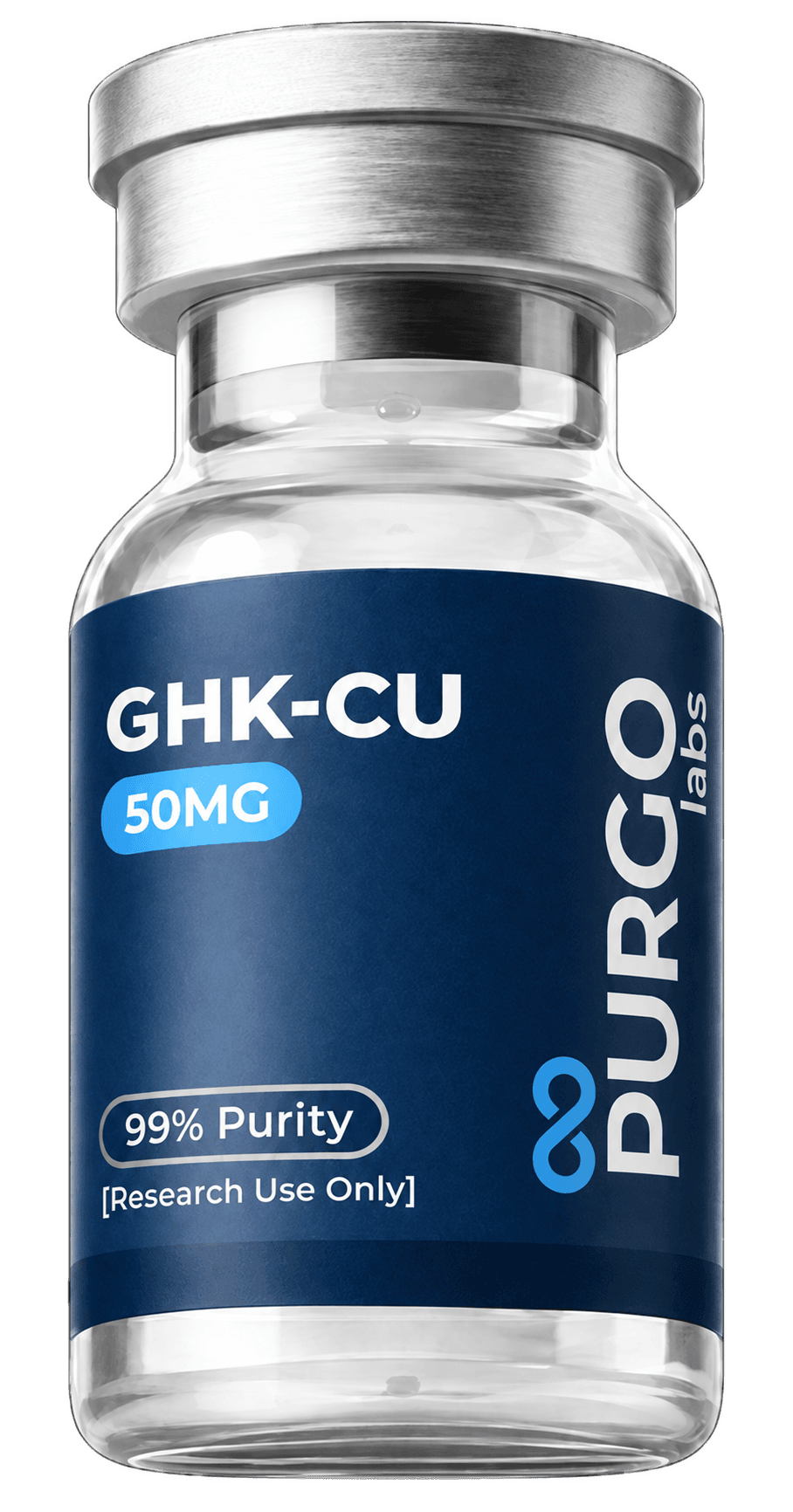
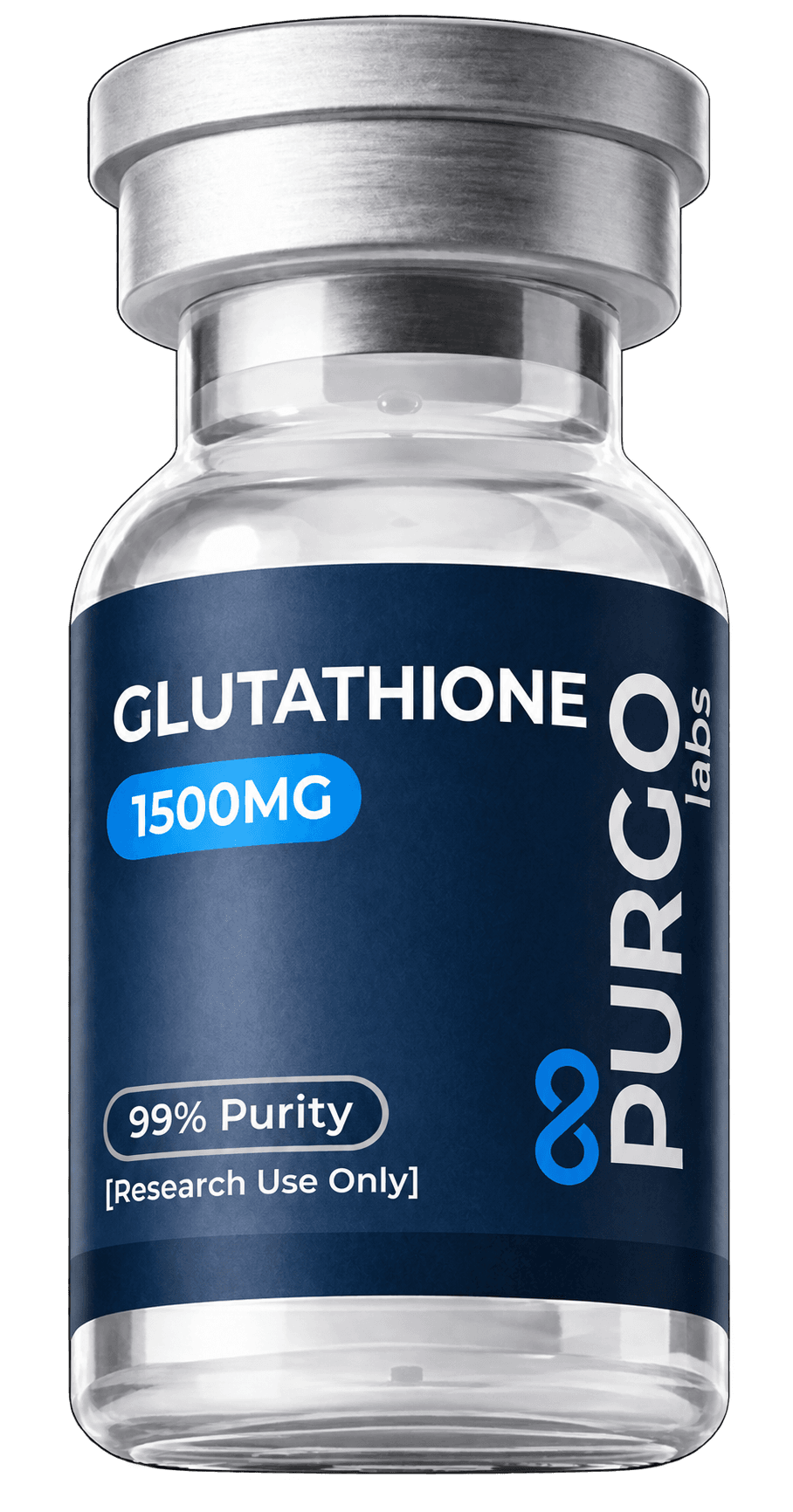
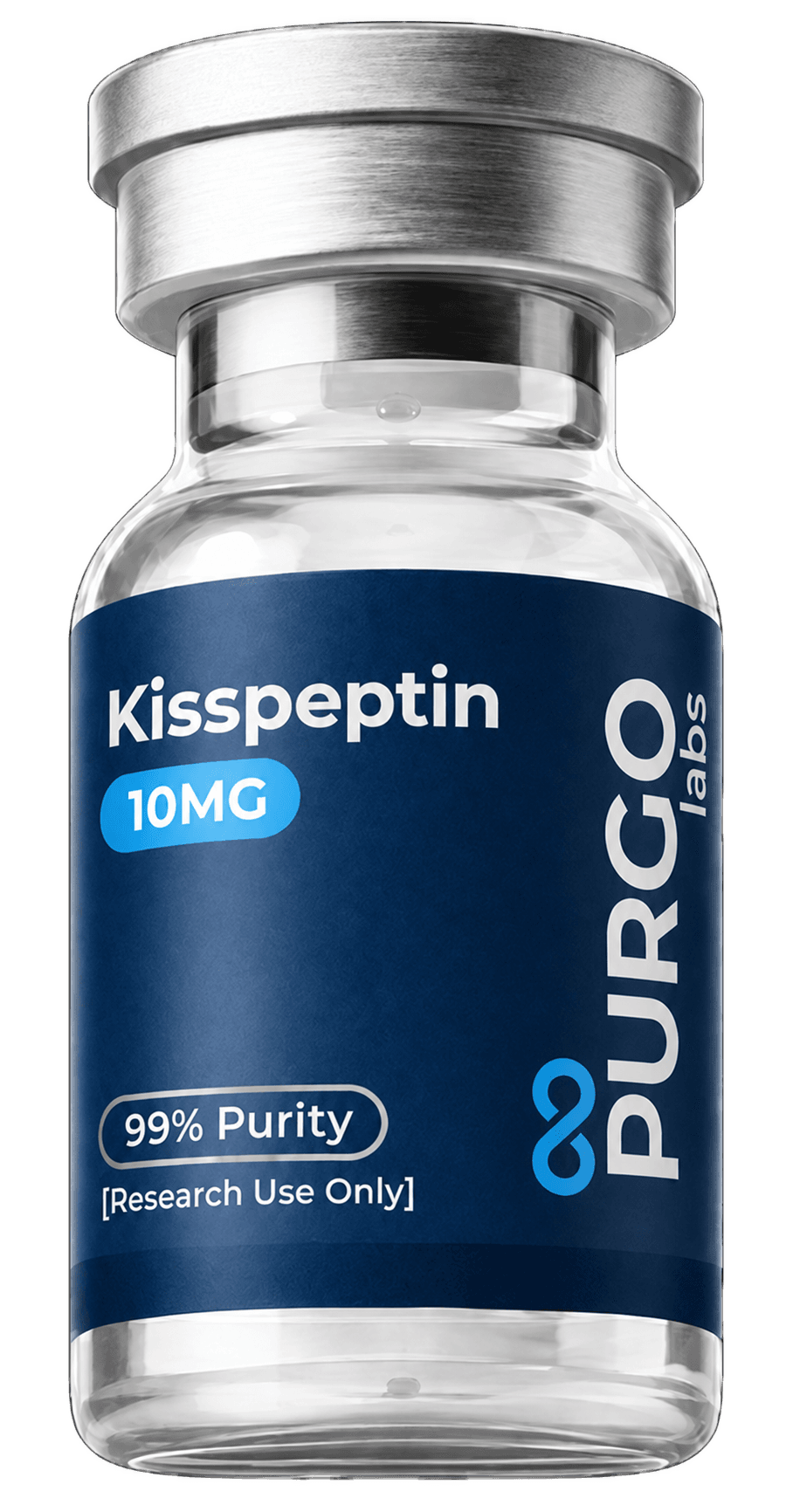
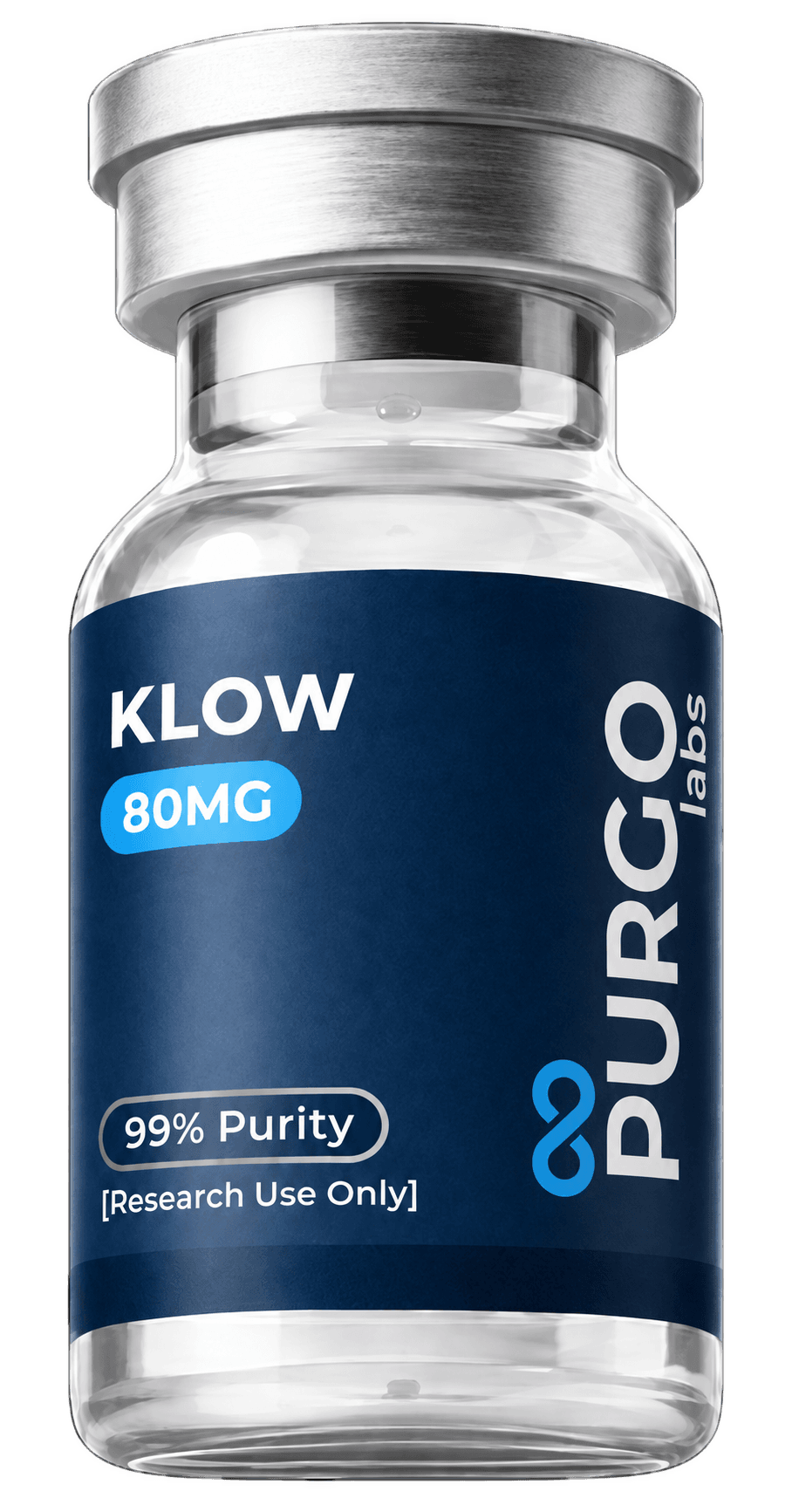
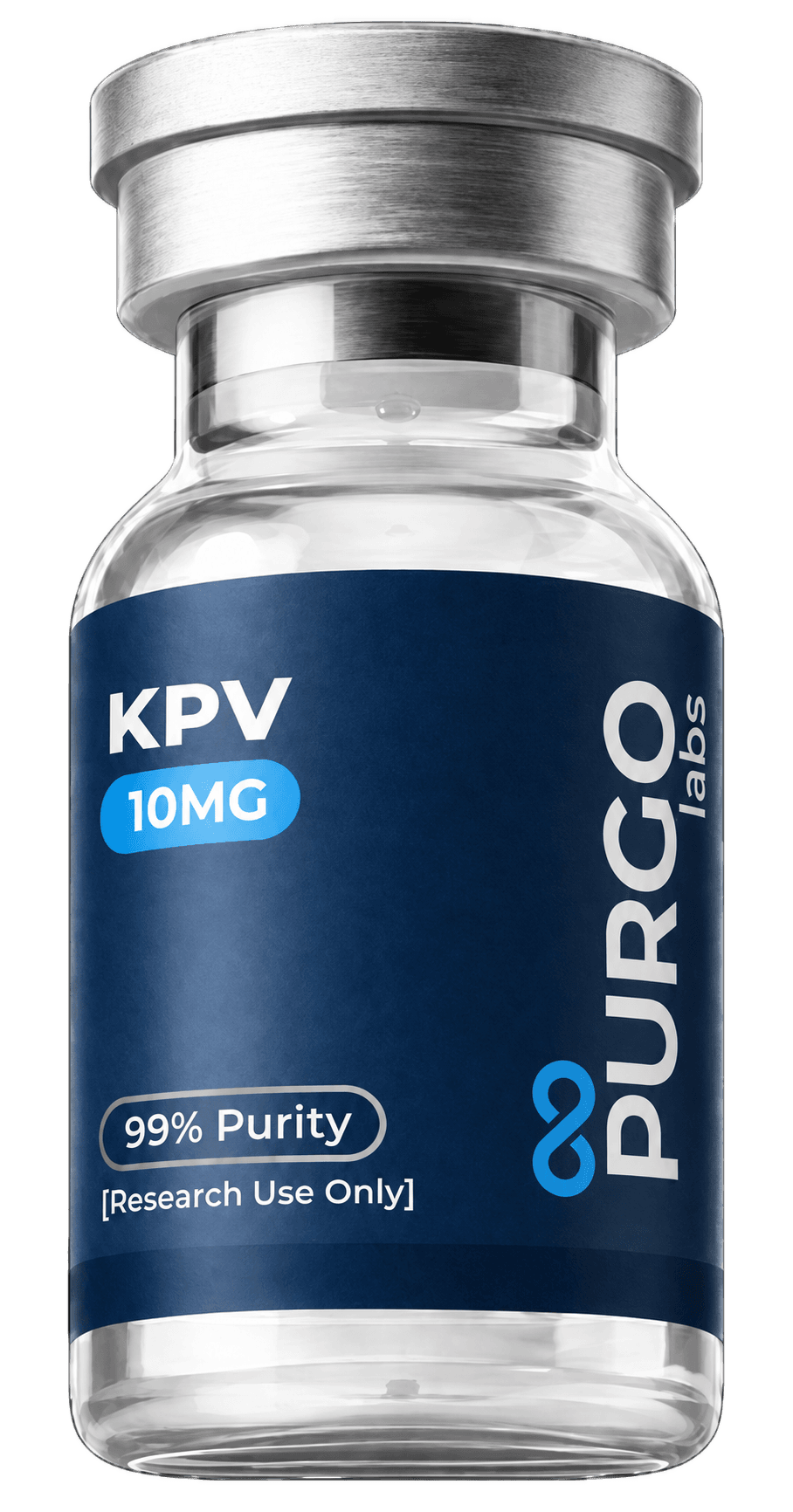
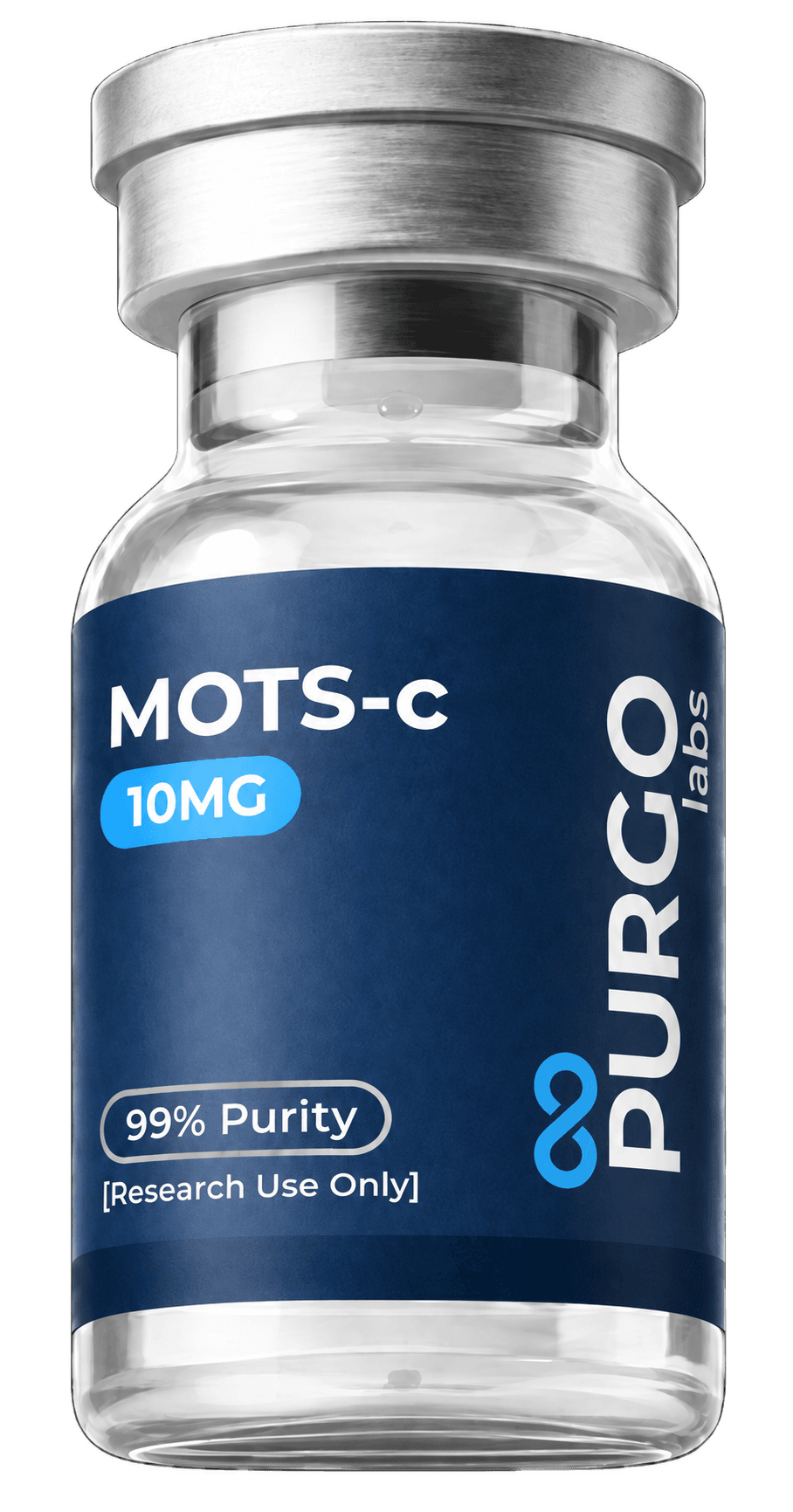
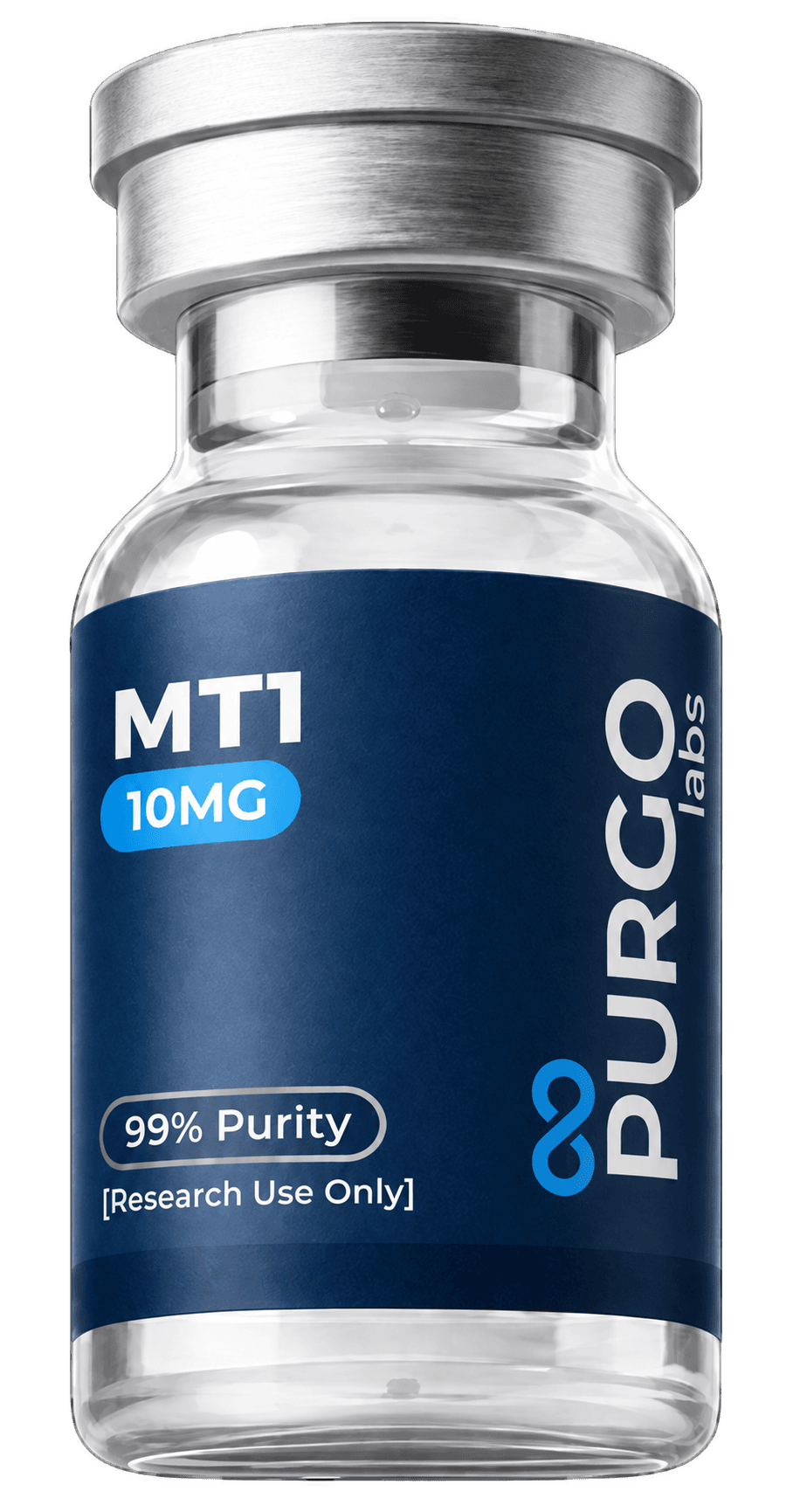
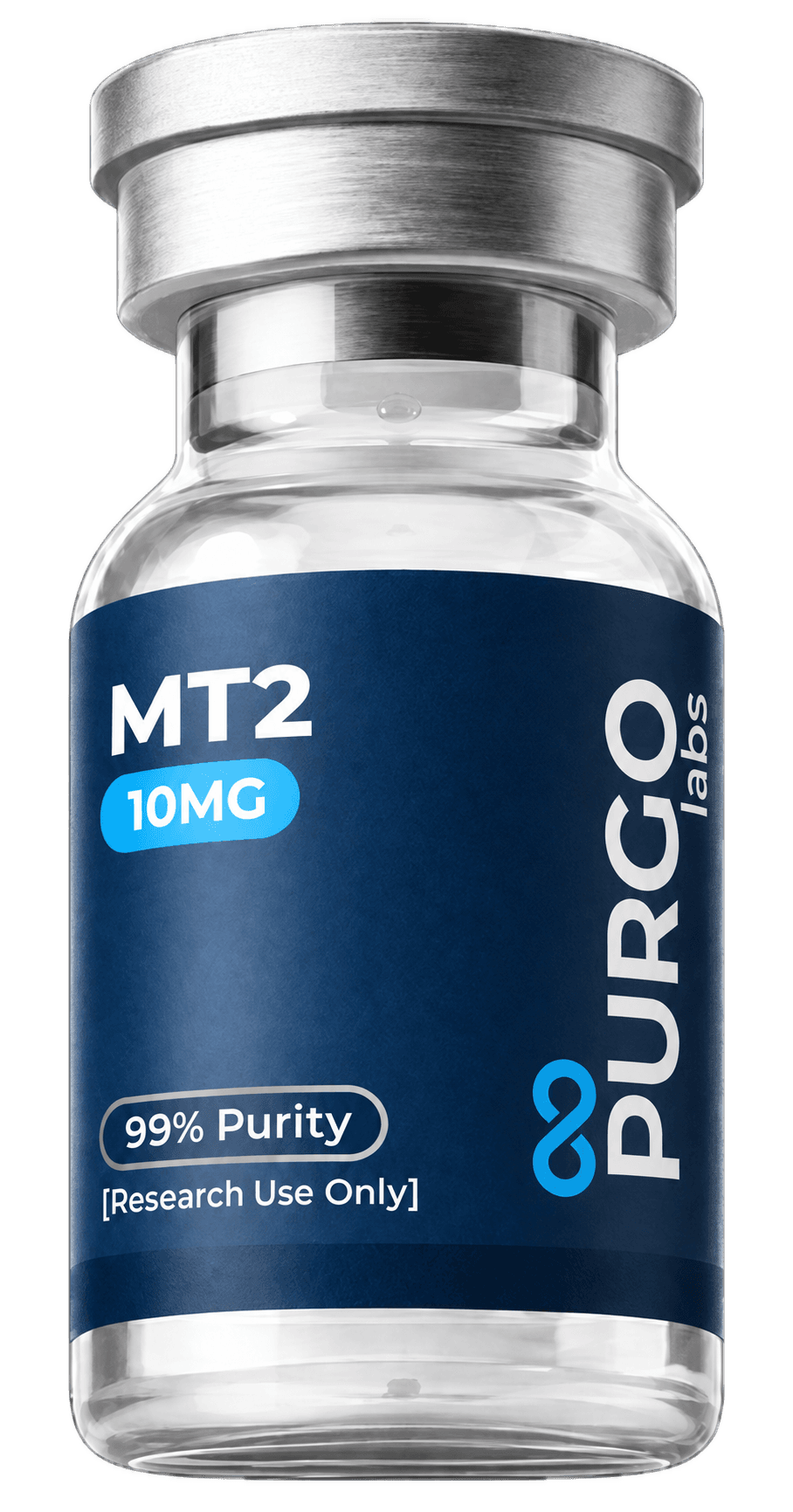
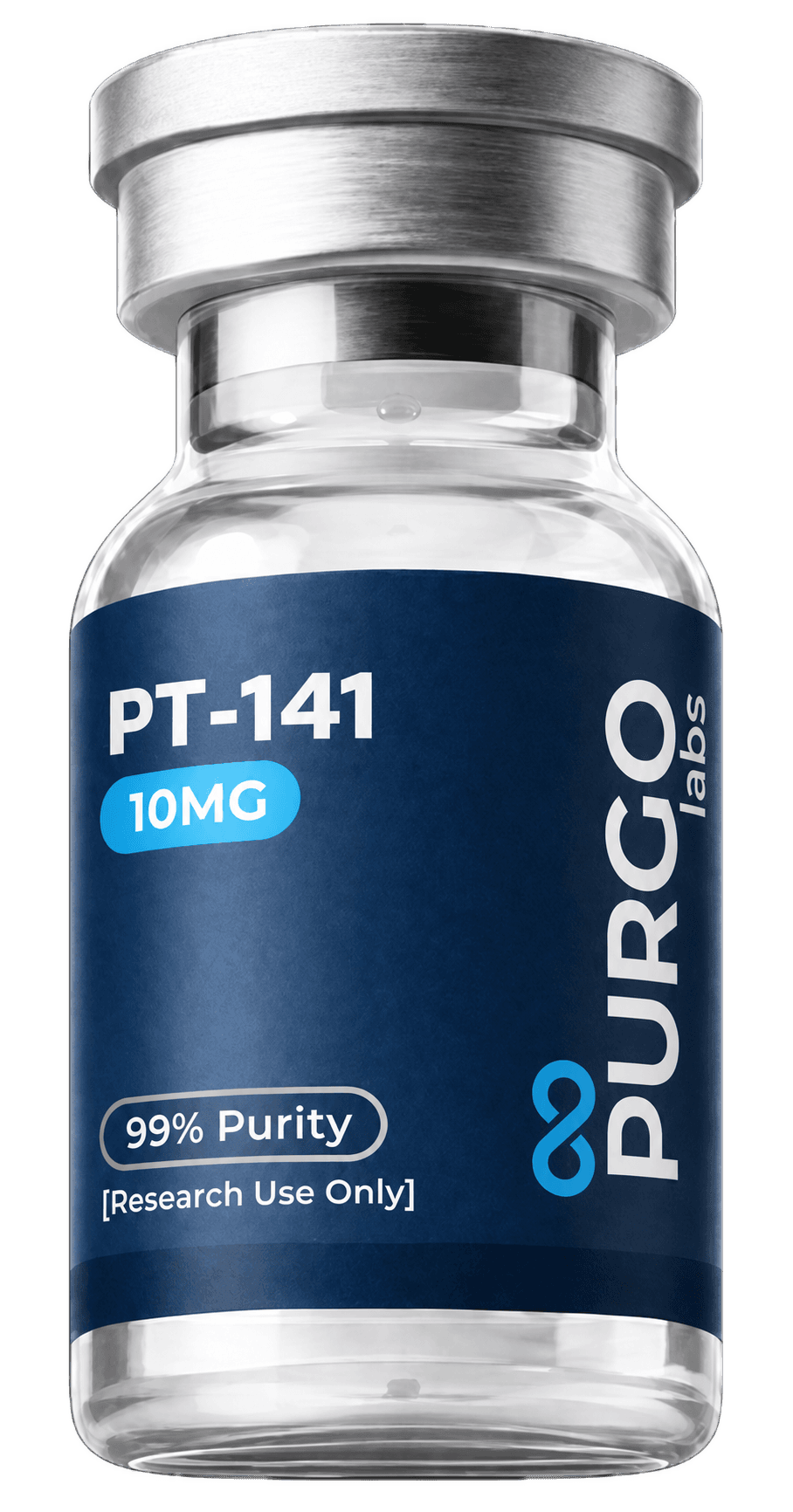
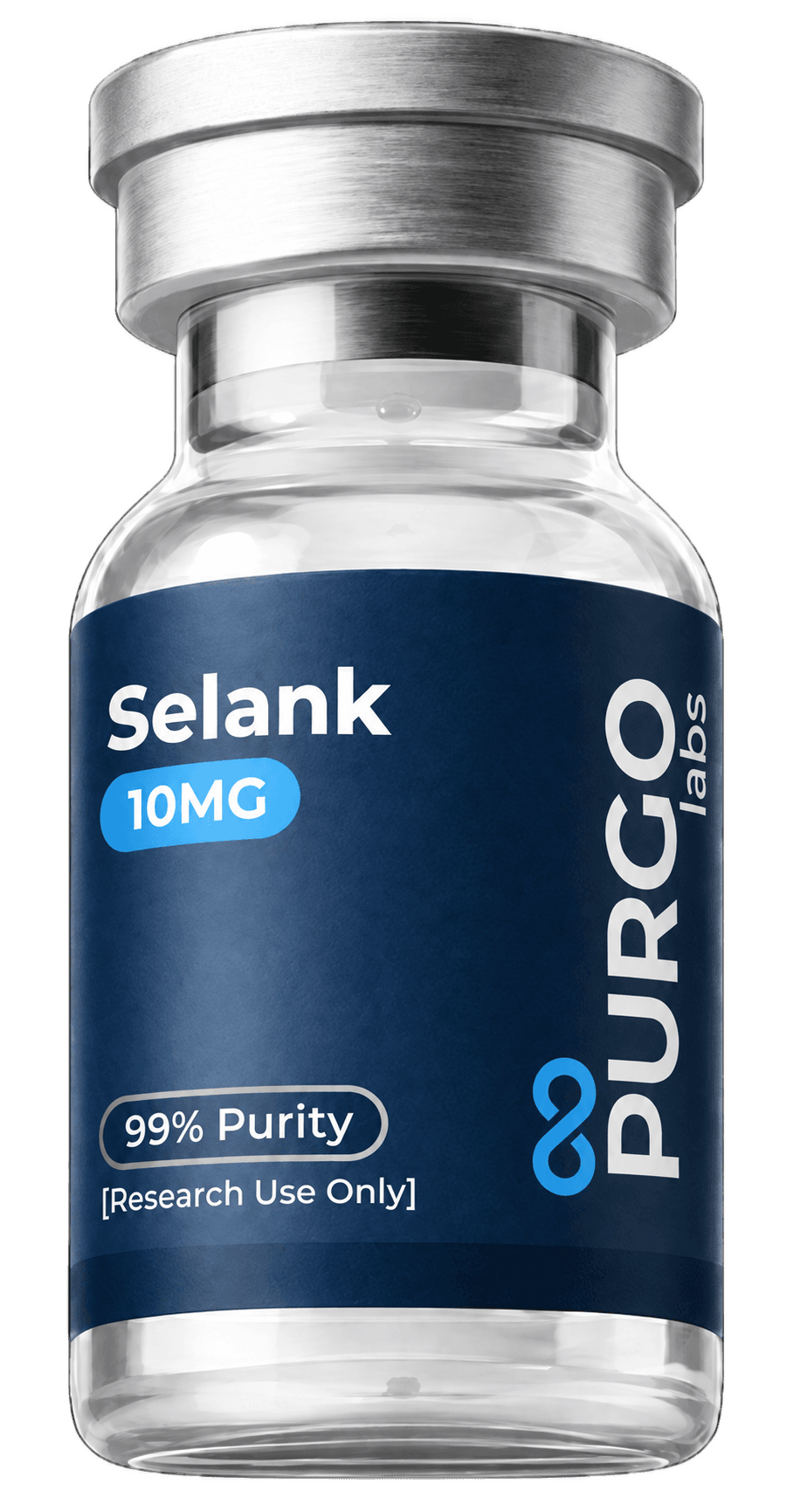
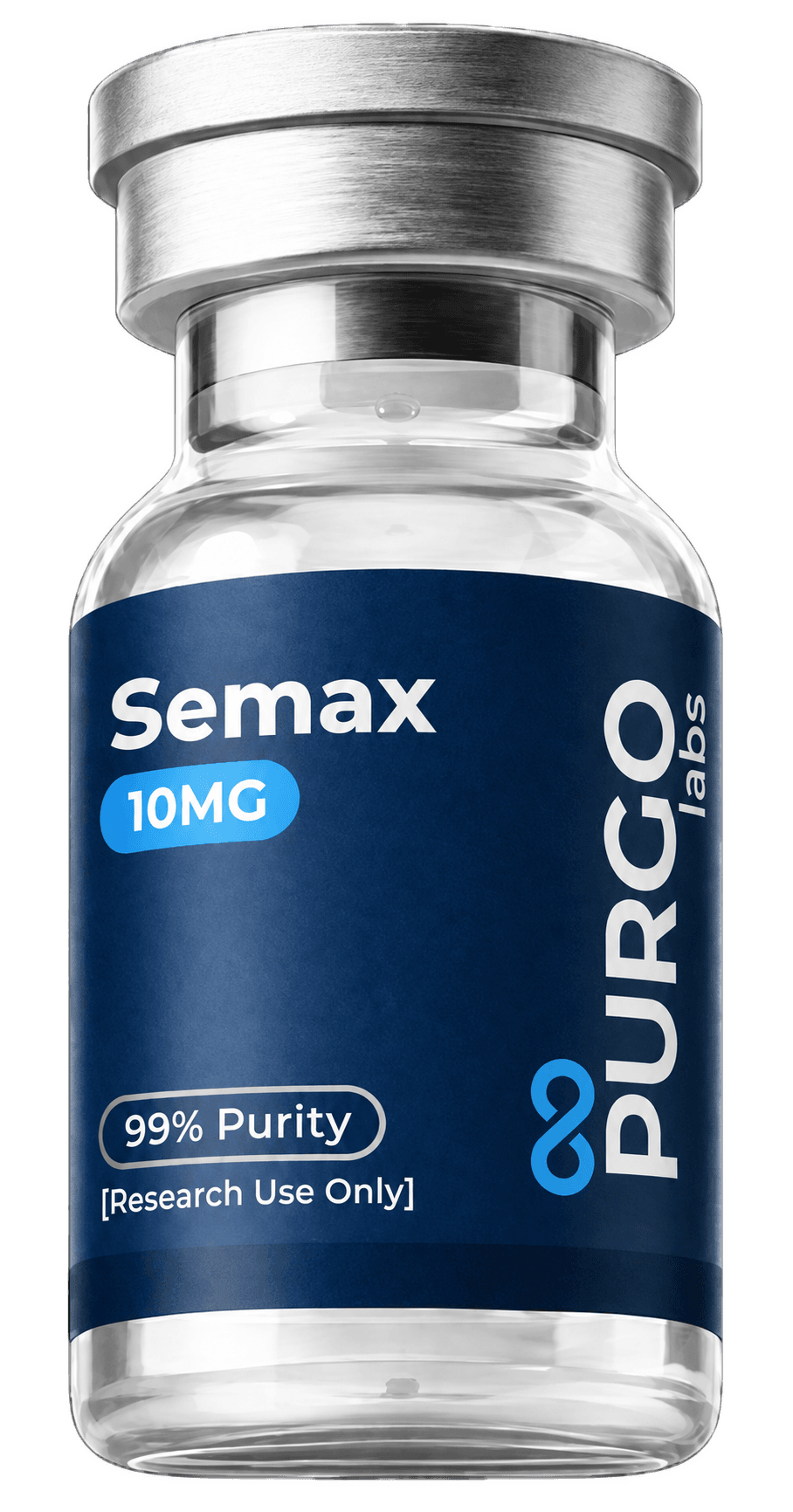
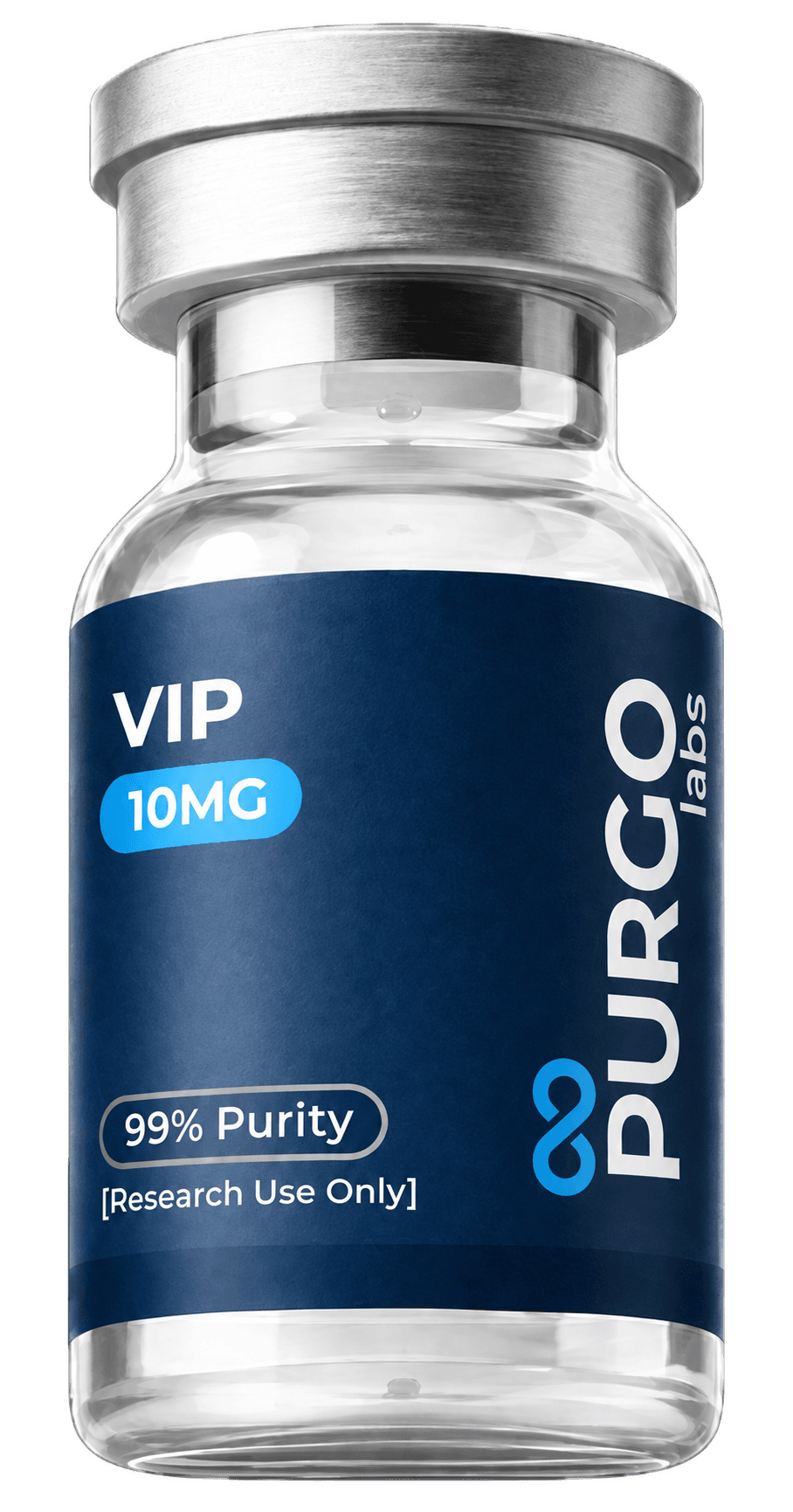
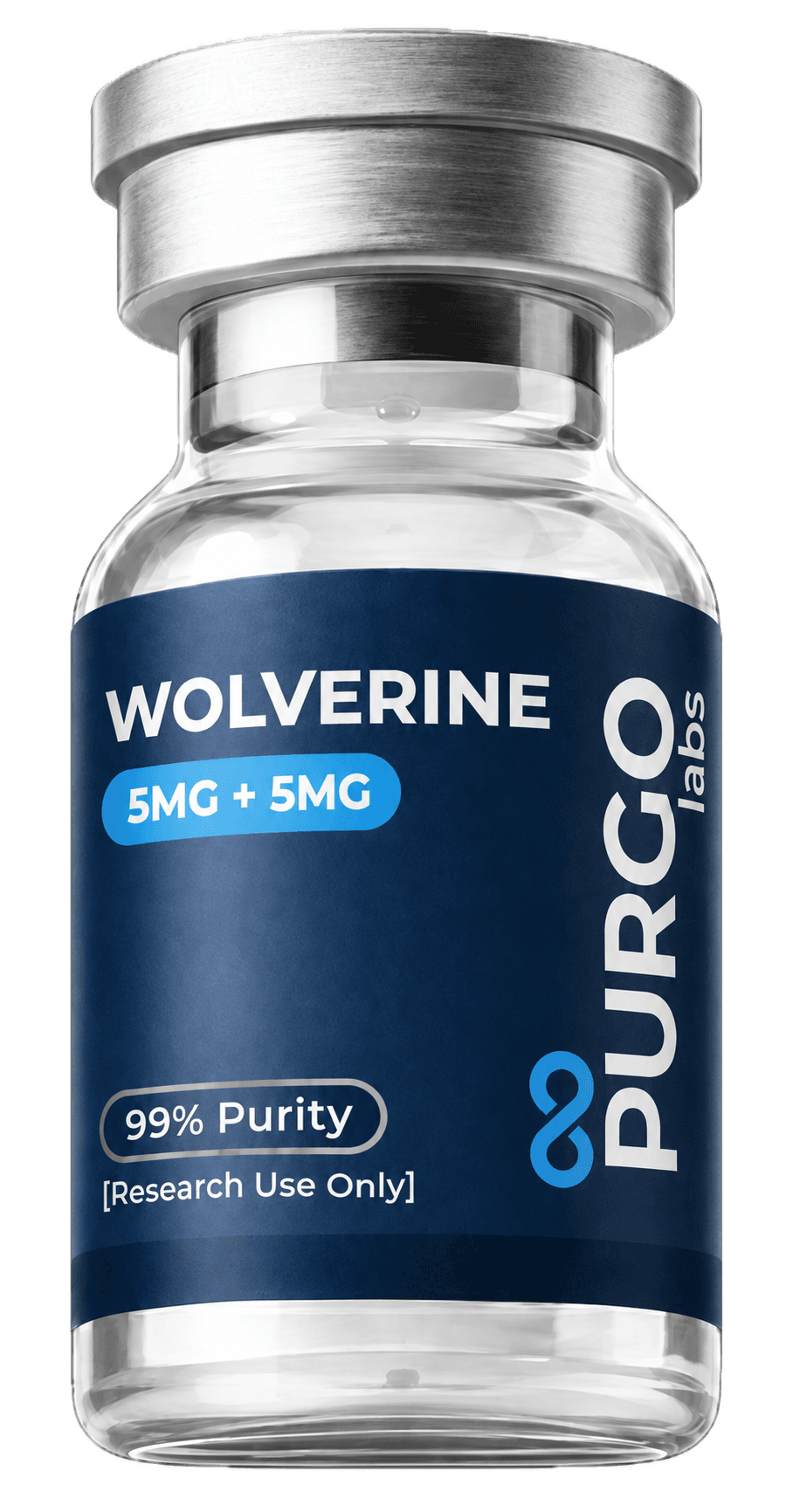
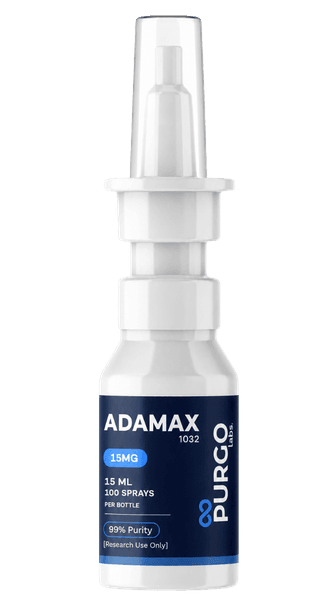
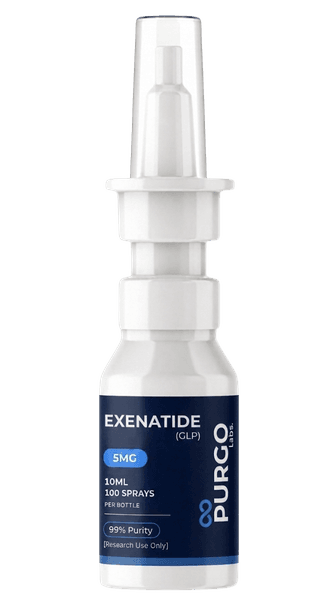
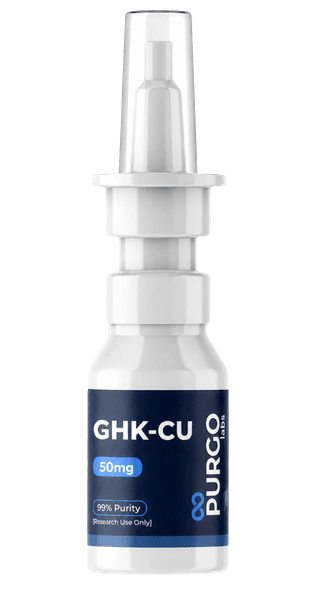
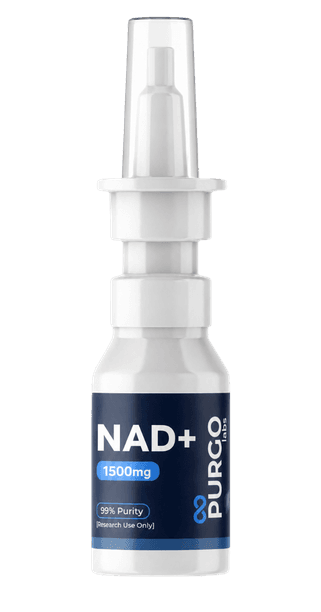
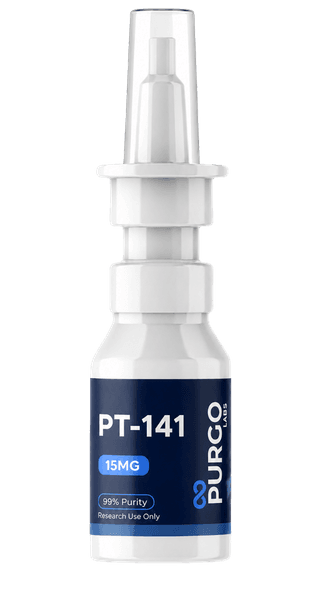
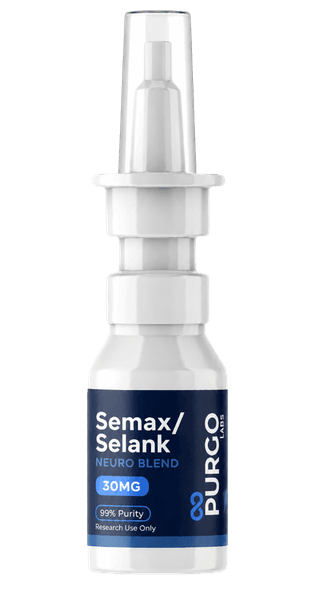
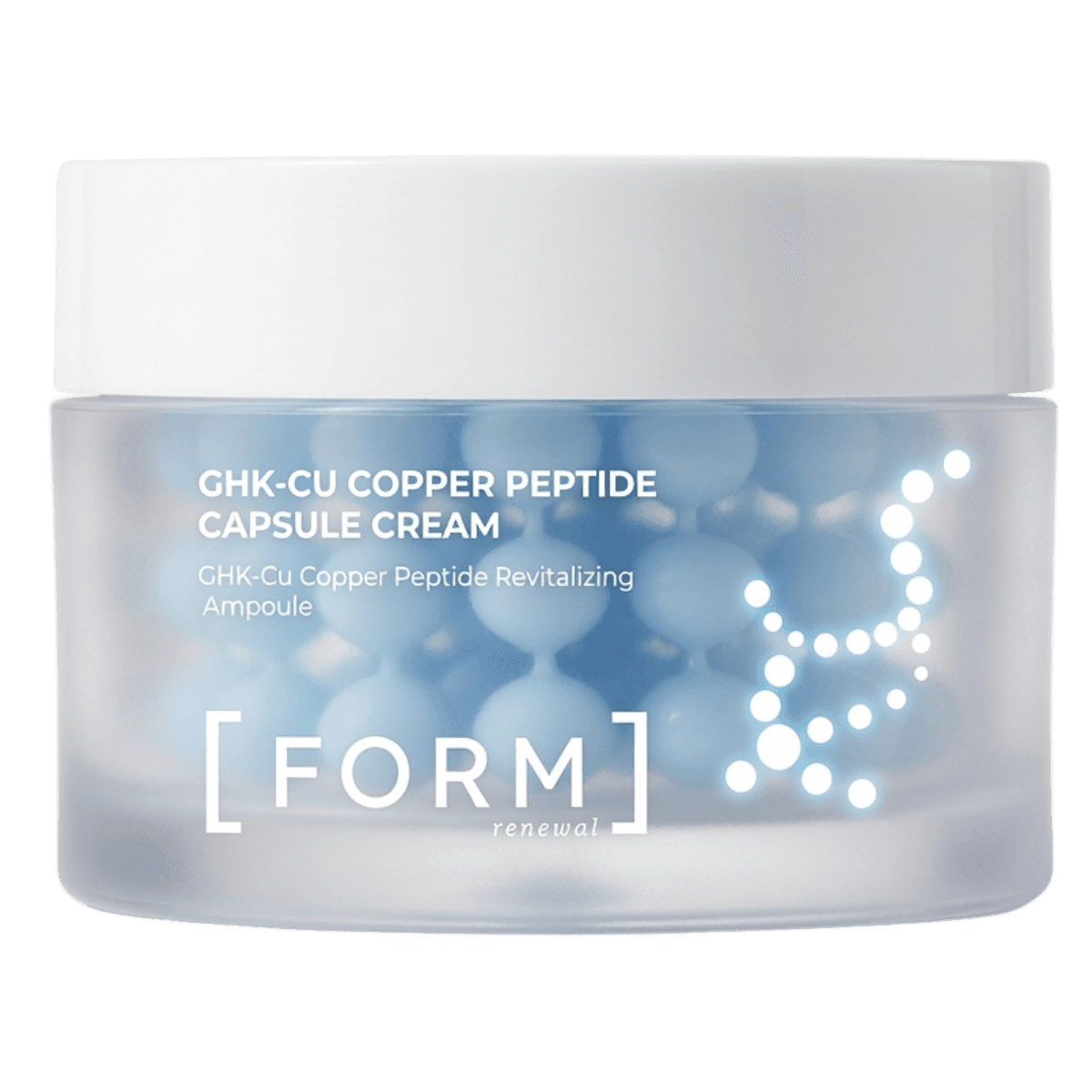
Research Peptides

Our comprehensive selection of high-purity research peptides for laboratory use

Quality Assurance

99%+ Purity

All peptides are tested via HPLC and mass spectrometry to ensure highest purity standards

Proper Storage

Shipped in temperature-controlled packaging and stored at optimal conditions

COA Available

Certificate of Analysis provided with each batch for verification and documentation

Receptor Agonists

Receptor agonists are peptides that activate specific cellular receptors, mimicking natural ligands to study cellular responses. These compounds include dual and triple agonists like tirzepatide and retatrutide, which target multiple receptor pathways simultaneously. Researchers utilize receptor agonists to investigate metabolic pathways, glucose regulation, insulin signaling, and receptor pharmacology. These compounds enable comprehensive studies of how multiple receptor systems interact to regulate biological processes.

Hormone Analogs

Hormone analogs are synthetic compounds designed to replicate the structure and function of natural hormones. Examples include tesamorelin and growth hormone releasing hormone (GHRH) analogs. These peptides allow researchers to study endocrine function, hormone-receptor interactions, and metabolic regulation without the variability associated with natural hormone sources. Research with hormone analogs contributes to understanding endocrine disorders, metabolic conditions, and hormone-related physiological processes.

Growth Factor Compounds

Growth factor compounds such as IGF-1 LR3 stimulate cell growth, differentiation, and survival through specific receptor interactions. These peptides are essential for cell culture research, tissue engineering studies, and understanding cellular signaling pathways. Researchers employ growth factor compounds to investigate how cells respond to external signals and regulate processes such as growth, differentiation, and survival. Applications include regenerative medicine research and tissue engineering.

Antioxidant Compounds

Antioxidant compounds like glutathione protect cells from oxidative stress by neutralizing reactive oxygen species and maintaining cellular redox balance. Research with antioxidant peptides helps understand oxidative stress mechanisms, cellular protection systems, and the role of antioxidants in maintaining cellular health. These studies contribute to understanding aging processes, disease mechanisms, and cellular protection strategies.

Tissue Repair Research

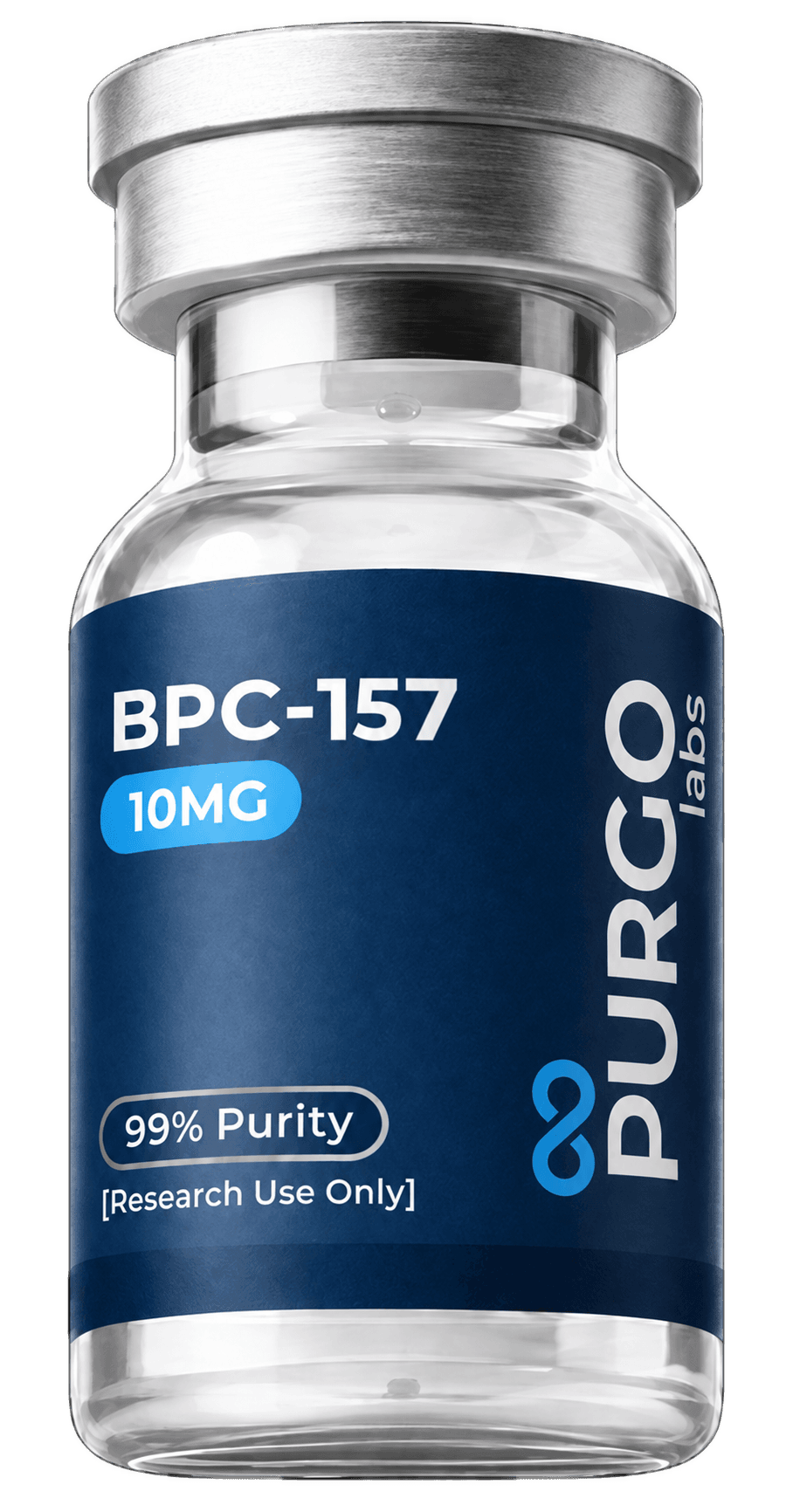
Research peptides play crucial roles in tissue repair and wound healing studies. Compounds like BPC-157 are investigated for their potential to influence angiogenesis, fibroblast migration, and extracellular matrix formation. These studies help researchers understand the molecular pathways involved in tissue regeneration and may contribute to future developments in regenerative medicine and wound healing therapies.

Metabolic Studies

Metabolic research utilizes peptides such as tirzepatide and retatrutide to study glucose metabolism, insulin signaling, and energy balance. These dual and triple agonist peptides enable researchers to investigate how multiple receptor pathways interact to regulate metabolic processes. Research in this area contributes to understanding metabolic diseases, insulin resistance, and potential therapeutic approaches for metabolic conditions.

Hormone Research

Hormone research employs analogs like tesamorelin to study growth hormone releasing hormone pathways and their effects on various physiological processes. These studies investigate hormone-receptor interactions, signal transduction mechanisms, and downstream cellular responses. Research in hormone pathways contributes to understanding endocrine function, hormone-related conditions, and metabolic regulation.

Cellular Signaling

Research peptides are essential tools for studying cellular signaling pathways. Peptides like IGF-1 LR3 allow researchers to investigate growth factor signaling, including PI3K/Akt and MAPK pathways. These studies help understand how cells respond to external signals and regulate processes such as growth, differentiation, and survival. Research in cellular signaling contributes to understanding disease mechanisms and potential therapeutic targets.

Antioxidant Research

Antioxidant compounds like glutathione are studied to understand oxidative stress mechanisms and cellular protection systems. Researchers investigate how these compounds neutralize reactive oxygen species, maintain cellular redox balance, and protect against oxidative damage. This research contributes to understanding aging processes, disease mechanisms, and cellular health maintenance strategies.

At Purgo Labs, quality assurance is integrated into every step of our production and distribution process. We maintain strict quality control measures to ensure that every product meets our high standards for purity, identity, and consistency.

Testing Protocols

Every product undergoes comprehensive testing using multiple analytical techniques. High-Performance Liquid Chromatography (HPLC) verifies purity and identifies any impurities. Mass spectrometry confirms molecular identity and structure. These complementary techniques provide comprehensive quality verification.

Purity Standards

We maintain strict purity standards, typically requiring 99% or greater purity for most products. This high level of purity ensures that research results are not compromised by impurities or contaminants. Our quality control processes are designed to consistently meet or exceed these standards across all product batches.

COA Availability

Certificate of Analysis (COA) documents are available for all products, providing detailed information about analytical testing results, purity percentages, and quality metrics. These documents enable researchers to verify product specifications and maintain comprehensive research documentation.

Batch Tracking

Every production batch is assigned a unique identifier and undergoes comprehensive testing before release. Batch tracking enables traceability and ensures that researchers can access specific analytical data for the exact product they receive. This system supports research reproducibility and quality documentation.
Purgo Labs provides comprehensive research resources and support to help researchers achieve their scientific objectives. We offer detailed documentation, research protocols, and technical support to facilitate successful research applications.

Research Protocols

We provide detailed research protocols and methodology guides to help researchers optimize their experimental designs. These protocols include recommendations for reconstitution, storage, handling, and application of research peptides in various experimental systems.

Storage Guidelines

Comprehensive storage guidelines ensure that researchers can maintain optimal conditions for peptide stability. These guidelines include temperature recommendations, reconstitution protocols, and aliquot strategies to preserve peptide integrity throughout the research process.
Reconstitution Instructions

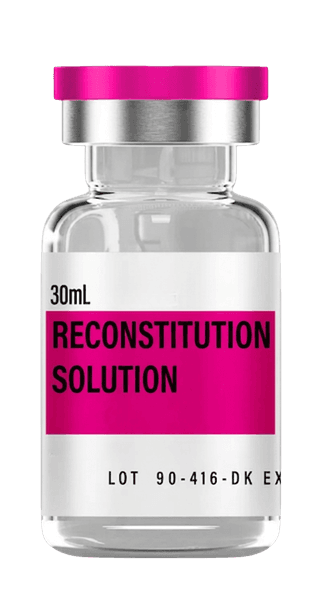
Detailed reconstitution instructions help researchers prepare peptides for experimental use. These instructions include recommendations for diluents, concentrations, and handling procedures to ensure optimal peptide performance in research applications.

Safety Data Sheets

Safety data sheets provide comprehensive information about handling, storage, and disposal of research peptides. These documents help researchers maintain safe laboratory practices and comply with safety regulations.

Research Methodology Guides

Research methodology guides offer insights into experimental design, protocol optimization, and best practices for research peptide applications. These resources help researchers design robust experiments and achieve reproducible results.

How do I choose the right research peptide?

Selecting the appropriate research peptide depends on your specific research objectives, experimental system, and research questions. Consider factors such as target receptors, research applications, and compatibility with your experimental protocols. Review product descriptions, research areas, and technical specifications to identify compounds that align with your research needs.

What size should I order?

Product size selection depends on your research scale, experimental duration, and usage frequency. Consider ordering sufficient quantity to complete your research while maintaining proper storage conditions. Larger sizes may offer better value for long-term research projects.

Can I combine multiple peptides in research?

Researchers often combine multiple peptides to investigate complex biological processes or synergistic effects. When combining peptides, consider compatibility, concentration interactions, and experimental design. Consult research literature and optimize protocols for multi-peptide applications.

What documentation comes with products?

All products include a Certificate of Analysis (COA) documenting purity, identity, and analytical testing results. Additional documentation may include storage instructions, reconstitution protocols, and safety information. Contact support for specific documentation requests.

How do I store multiple products?

Store all research peptides according to their specific storage requirements, typically at 2-8°C for short-term or -20°C for long-term storage. Organize storage to prevent cross-contamination and maintain proper labeling. Follow storage guidelines for each product to ensure stability.